Welcome

Woodlands Nursery and Pre-School

where children grow…

Woodlands Nursery and Preschool is a full day-care facility registered for 38 children, comprising of 32 children aged between 2 years and 5 years old and 6 children under 2 years of age.

The nursery is open for 51 weeks per year, closing only for Bank Holidays and one week between Christmas and New Year.

The nursery has been the partnership of Andrea Yates and Sarah Ives since September 2010; they have been at Woodlands Nursery and Preschool for over 10 years.

The nursery operates under the guidance and regulations of Ofsted. We have many policies and procedures which help us govern and encourage good practice within the setting. These ensure a high quality of care from the practitioners that work at Woodlands.


Learning to read through phonics Information for parents


What is phonics?

Phonics is a way of teaching children to read quickly and skilfully. They are taught how to:

• • •

recognise the sounds that each individual letter makes; identify the sounds that different combinations of letters make – such as ‘sh’ or ‘oo’; and blend these sounds together from left to right to make a word.

Children can then use this knowledge to ‘de-code’ new words that they hear or see. This is the first important step in learning to read.

Why phonics?

Research shows that when phonics is taught in a structured way – starting with the easiest sounds and progressing through to the most complex – it is the most effective way of teaching young children to read. It is particularly helpful for children aged 5–7.

Almost all children who receive good teaching of phonics will learn the skills they need to tackle new words. They can then go on to read any kind of text fluently and confidently, and to read for enjoyment.

Children who have been taught phonics also tend to read more accurately than those taught using other methods, such as ‘look and say’. This includes children who find learning to read difficult, for example those who have dyslexia.

If you would like to find out more about phonics, visit www.education.gov.uk/schools/teachingandlearning/pedagogy/phonics or search for ‘phonics’ on the Department for Education website at www.education.gov.uk.

What is the phonics screening check?

The phonics screening check is a quick and easy check of your child’s phonics knowledge. It helps your school confirm whether your child has made the expected progress.

In 2012 the check will take place during the week commencing Monday 18 June.

How does the check work?

• Your child will sit with a teacher he or she knows and be asked to read 40 words aloud.

• Your child may have read some of the words before, while others will be completely new.

• The check normally takes just a few minutes to complete and there is no time limit. If your child is struggling, the teacher will stop the check. The check is carefully designed not to be stressful for your child.What are ‘non-words’?

The check will contain a mix of real words and ‘non-words’ (or ‘nonsense words’). Your child will be told before the check that there will be non-words that he or she will not have seen before. Many children will be familiar with this because many schools already use ‘non-words’ when they teach phonics.

Non-words are important to include because words such as ‘vap’ or ‘jound’ are new to all children. Children cannot read the non-words by using their memory or vocabulary; they have to use their decoding skills. This is a fair way to assess their ability to decode.

After the check

Your school should tell you about your child’s progress in phonics and how he or she has done in the screening check in the last half-term of Year 1. If your child has found the check difficult, your child’s school should also tell you what support they have put in place to help him or her improve. You might like to ask how you can support your child to take the next step in reading.

All children are individuals and develop at different rates. The screening check ensures that teachers understand which children need extra help with phonic decoding.

Helping your child with phonics

Phonics works best when children are given plenty of encouragement and learn to enjoy reading and books. Parents play a very important part in helping with this.

Some simple steps to help your child learn to read through phonics:

● Ask your child’s class teacher about the school’s approach to phonics and how you can reinforce this at home. For example, the teacher will be able to tell you which letters and sounds the class is covering in lessons each week.

● You can then highlight these sounds when you read with your child. Teaching how sounds match with letters is likely to start with individual letters such as ‘s’, ‘a’ and ‘t’ and then will move on to two-letter sounds such as ‘ee’, ‘ch’ and ‘ck’.

● With all books, encourage your child to ‘sound out’ unfamiliar words and then blend the sounds together from left to right rather than looking at the pictures to guess. Once your child has read an unfamiliar word you can talk about what it means and help him or her to follow the story.

● Your child’s teacher will also be able to suggest books with the right level of phonics for your child. These books are often called ‘decodable readers’ because the story is written with words made up of the letters your child has learnt. Your child will be able to work out new words from their letters and sounds, rather than just guessing.

● Try to make time to read with your child every day. Grandparents and older brothers or sisters can help, too. Encourage your child to blend the sounds all the way through a word.

● Word games like ‘I-spy’ can also be an enjoyable way of teaching children about sounds and letters. You can also encourage your child to read words from your shopping list or road signs to practise phonics.

Most schools use ‘book bags’ and a reading record, which is a great way for teachers and parents to communicate about what children have read. The reading record can tell you whether your child has enjoyed a particular book and shows problems or successes he or she has had, either at home or at school.

(DfE  March 2012)

I CAN Accreditation

A huge well done on the successful outcomes of our I CAN accreditation visit.

CAN Early Talk Accreditation Standards: An Enhanced Service for Children’s Communication

Our setting  had to show that all staff meet the competences of (i), (ii) and (vi) below, and that the remaining competences are demonstrated across the setting:

(i) Know about speech language and communication development

(ii) Be able to apply strategies to the pre-school setting to support children’s communication

(iii) Be able to identify speech, language and communication needs

(iv) Have an understanding of how to adapt the early years environment to support children with communication needs

(v) Understand the importance of and develop collaborative practice

(vi) Be able to identify three personal communicative targets for implementation in the workplace.

All the practitinoers worked together to bring together a portfolio of evidence of how we support the children within our setting, we were observed by two accreditors who obseved our interaction with the children, parents and other practitinoers, they also chatted with the children and their parents aswell as discussions with all practitioners within our setting.


Free For 2′s Info

Guidance for parents and carers

• Kent County Council’s Free For 2 scheme is • currently offering 15 hours free childcare for eligible 2 year olds during term time.

If you do qualify for a free childcare place, children’s centre staff will help you find a registered Early Years Provider or Eligible Childminder. Not all providers are registered to offer the Free Entitlement so it is important that you check with the children’s centre before deciding where to place your child.

• Your child may be entitled to a free place if you are in receipt of certain benefits and your child’s date of birth falls within a particular date range.

• The offer is available term time only for the two terms directly before the 3 year old funding starts .

• If you do not qualify for a free childcare place, children’s centre may be able to offer other support and guidance.

Important: You will not be eligible if your household is in receipt of Working Tax Credit.

For more information, visit your local Children’s Centre. Staff will be happy to talk to you about the scheme and help you find out if you are eligible for free childcare.

You will need to take your ‘letter of entitlement’ with you as evidence of the benefits you are currently receiving.

Telephone Kent CFIS on FREEPHONE 08000 323230 to find out the location of your nearest Children’s Centre.

information correct at date of issue: 1st August 2012.

Vacancies available………

Under 2′s Room

no vacancies at present

Over 2′s Room

limited number of sessions available ……………

if you wish to put your child’s name down on our waiting list, please contact us, taking bookings for sessions in September 2013.

if your child is aged 3 years before 31st March 2013, you are entitled to 15 hours free funding from April 2013 (conditions apply). give us a call or email for more information.

Waiting list available for September 2013 intake now……places for 2 (terms apply) and 3 year old funding available…….

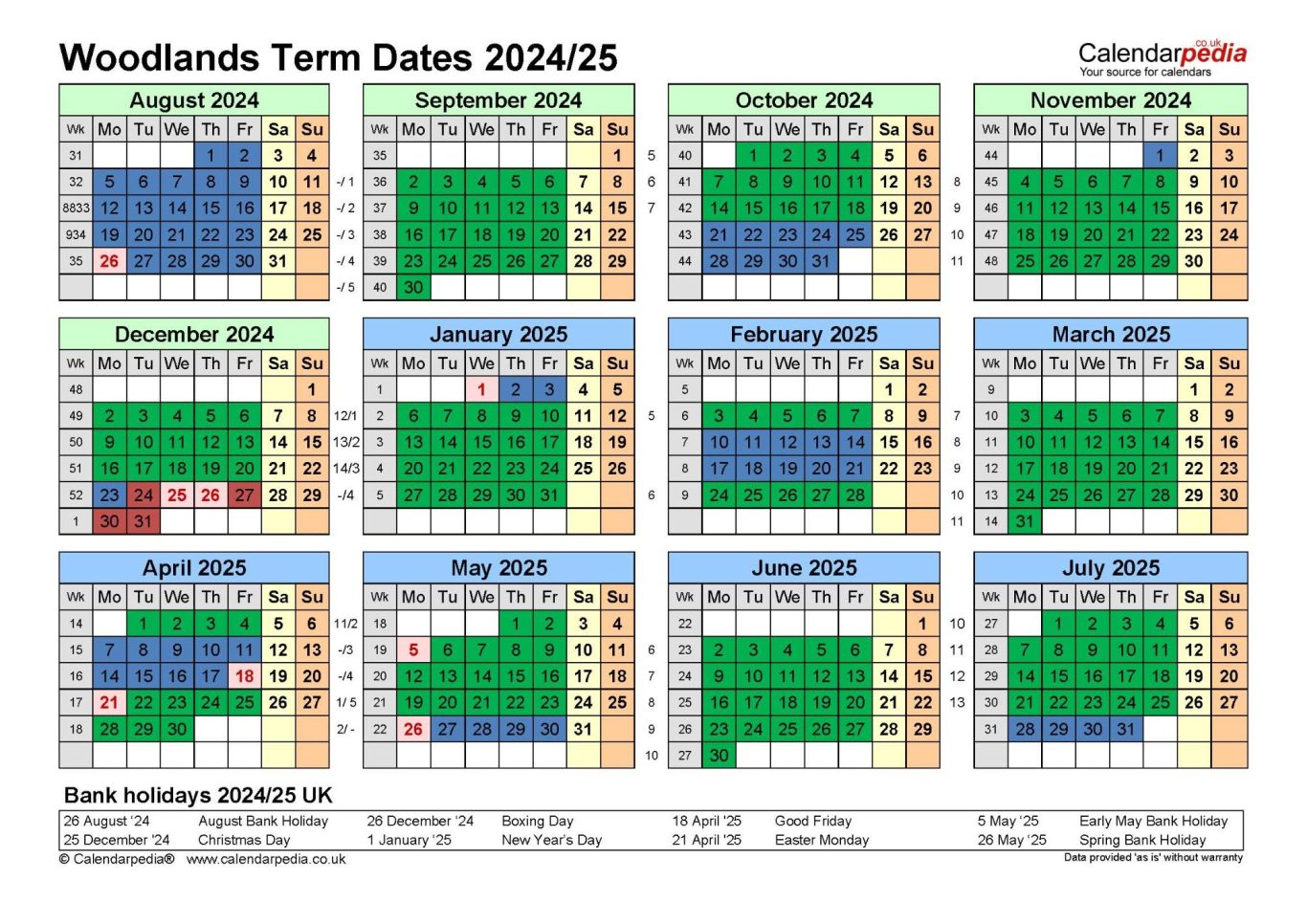
Closure Dates 2013

Friday 29th March 2013

Monday 1st April 2013

Monday 6th May 2013

Monday 27th May 2013

Monday 26th August 2013

Tuesday 24th December closing at 1pm and reopen Thursday 2nd January 2014 at 8am.